
For most relocating families the Illinois home is the largest asset they own. Handled well, that equity buys a better Nevada home outright and leaves a cushion. Handled badly, it leaks to prorations you didn't budget for, transfer stamps, a double move and a winter listing. Here is what to get right.
1. Know your gain before you list
Gain is sale price minus selling costs minus your adjusted basis (purchase price plus capital improvements). The federal primary-residence exclusion shelters $250,000 single / $500,000 married of that gain. Anything above is taxed federally as long-term capital gain and by Illinois at 4.95%, because the property is in Illinois. Moving to Nevada first does not change that — but it does mean every dollar you earn after the move is untaxed by the state, which is why sequencing matters for a business sale or a bonus far more than for the house.
2. Budget for the property-tax proration
This is the one that surprises Illinois sellers. Property taxes are billed a year in arrears, so at closing you credit the buyer for the taxes that have accrued but not yet been billed — customarily 105–110% of the last bill in Cook County and the collar counties, prorated to the closing date. On a $15,000 Hinsdale bill closing in December, that is a $16,000 line on your settlement statement. It is not a new tax, just the last one following you out the door, but it belongs in your net-proceeds estimate from the start. There is no Illinois withholding on the sale itself.


3. Transfer taxes and the suburb stamps
The state and county take 0.15% from the seller. Chicago takes 0.30% from the seller and 0.75% from the buyer. Suburbs are a patchwork: Evanston, Oak Park, Naperville, Aurora, Elgin, Skokie and dozens more levy their own stamps, some on the seller, some on the buyer, and several will not issue them until the water bill is paid and a final meter reading is done. Your listing agent should quote these on day one.
4. Sell first or buy first?
Sell-first is safer on paper and worse in practice: it usually means temporary housing, storage, two moves and buying under time pressure. Buy-first works in Nevada because inventory is healthy, new construction closes on predictable dates, and lenders — Ron is one — can qualify you on both payments or bridge against your Illinois equity. A contingent offer on the Nevada side is also far more accepted here than in the hottest Chicago suburbs. The right answer depends on your equity, your loan and your risk tolerance; it takes one call to work out.
5. Timing the Illinois listing
Chicago-area homes show and sell best from March through June, and worst under a foot of snow. If the Nevada purchase is ready in the fall, buy-first with a spring Illinois listing is often the cleanest sequence: you avoid a winter listing, you are not carrying two homes long, and you shovel exactly one more time.
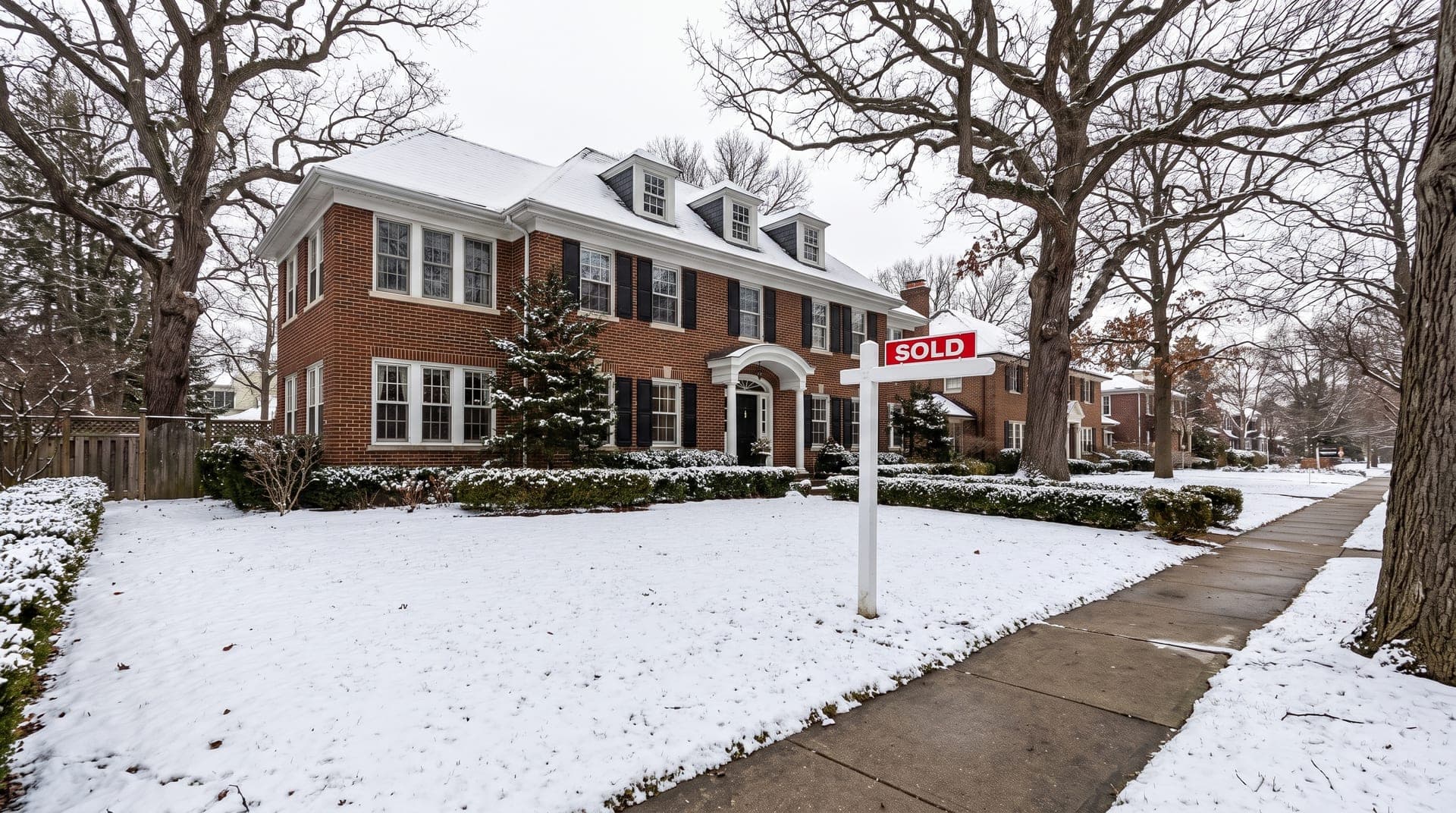
6. Keep it or sell it?
Keeping the Illinois home as a rental keeps a foot in Illinois: taxable rental income, an annual non-resident return, a landlord's share of the property-tax bill, and an Illinois asset that stays inside the Illinois estate-tax net. It can still make sense if the mortgage is very low and the rent is strong. Treat it as an investment decision, not a sentimental one.
How Ron coordinates both sides
Ron is licensed in Nevada and Hawaii. For the Illinois sale he refers you to a vetted listing agent in your suburb, then runs the two timelines together: your Nevada offer, loan and closing date are set against the Illinois listing so you never carry two homes longer than you want to. See the full 120-day checklist, or tell Ron your situation.
Selling questions
Will I owe capital gains tax when I sell my Illinois home?
Federal law excludes $250,000 of gain (single) or $500,000 (married filing jointly) if you've owned and lived in the home two of the last five years. Gain above that is taxed federally at long-term capital-gains rates, and Illinois taxes it at 4.95% because the property is in Illinois — regardless of where you live when you sell.
Does Illinois withhold tax from non-resident sellers?
No. Unlike California, New York or New Jersey, Illinois has no withholding on real-estate sales by non-residents. You report any taxable gain on your Illinois return for the year of sale. Nothing is held back at closing beyond the transfer stamps.
What is the property-tax proration everyone mentions?
Illinois property taxes are paid a year in arrears: the bill you get in 2027 covers 2026. At closing the seller credits the buyer for the taxes that have accrued but not yet been billed, customarily 105–110% of the most recent bill in Cook County and the collar counties. On a $12,000 bill that is a $12,600–$13,200 credit if you close near year-end, so it should be in your net-proceeds estimate from day one.
How much are transfer taxes in Illinois?
The state charges $0.50 per $500 (0.10%) and the county $0.25 per $500 (0.05%), both paid by the seller. Chicago adds $1.50 per $500 from the seller (0.30%) and $3.75 per $500 from the buyer (0.75%). Many suburbs — Evanston, Oak Park, Naperville, Aurora, Elgin and others — levy their own stamps, and some require a paid-water-bill certificate before they will issue them.
Should I keep the Illinois house as a rental?
Sometimes, if the mortgage is very low and the rent is strong. Remember that Illinois will tax the rental income and any later gain, you'll file an Illinois non-resident return every year, and Illinois property taxes eat a much larger share of rental yield than Nevada's do. Run it as a pure investment decision with your CPA.
Can Ron sell my Illinois home?
Ron is licensed in Nevada and Hawaii, not Illinois. He refers clients to a vetted Chicago-area listing agent, coordinates the two timelines and handles the Nevada purchase and financing so the sale and the buy close in the right order.